


Fabric Style & Colours


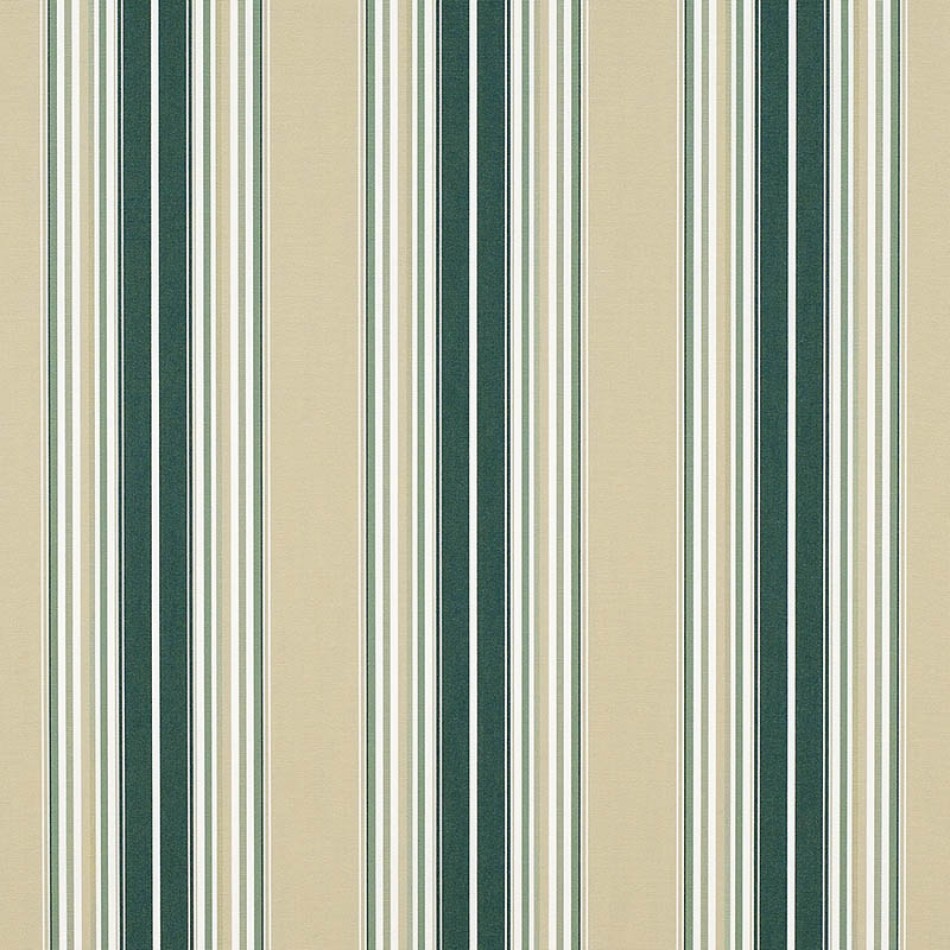
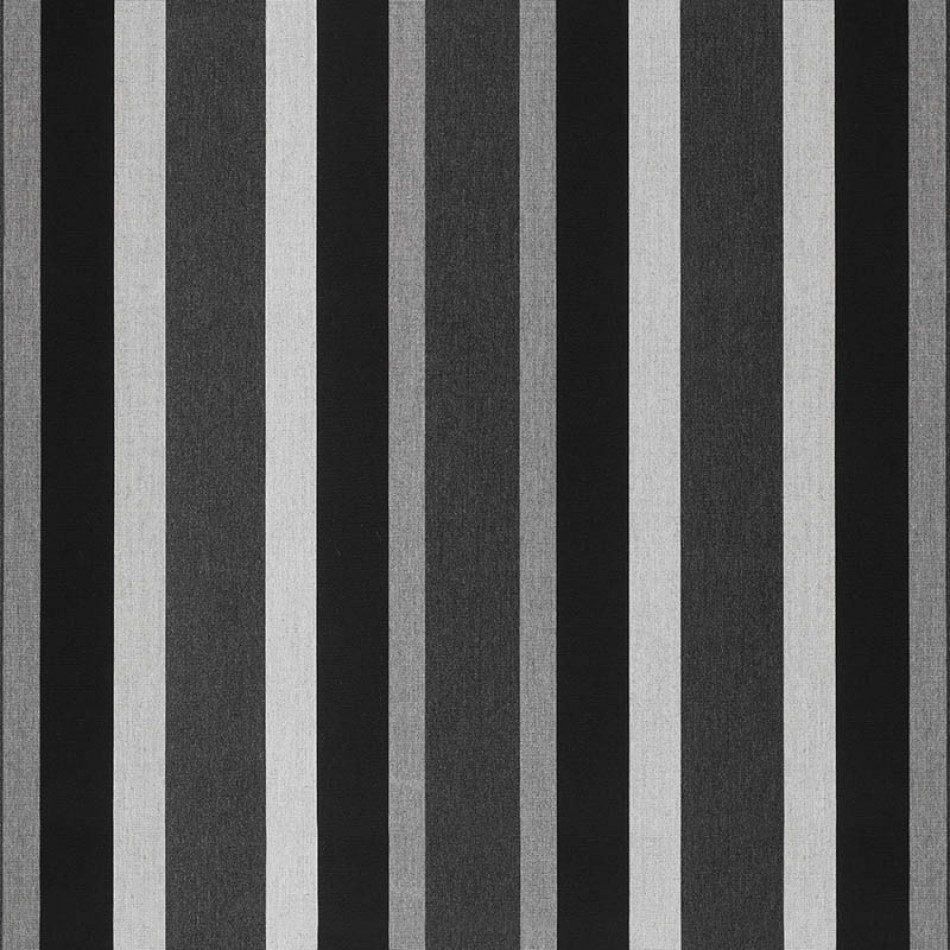
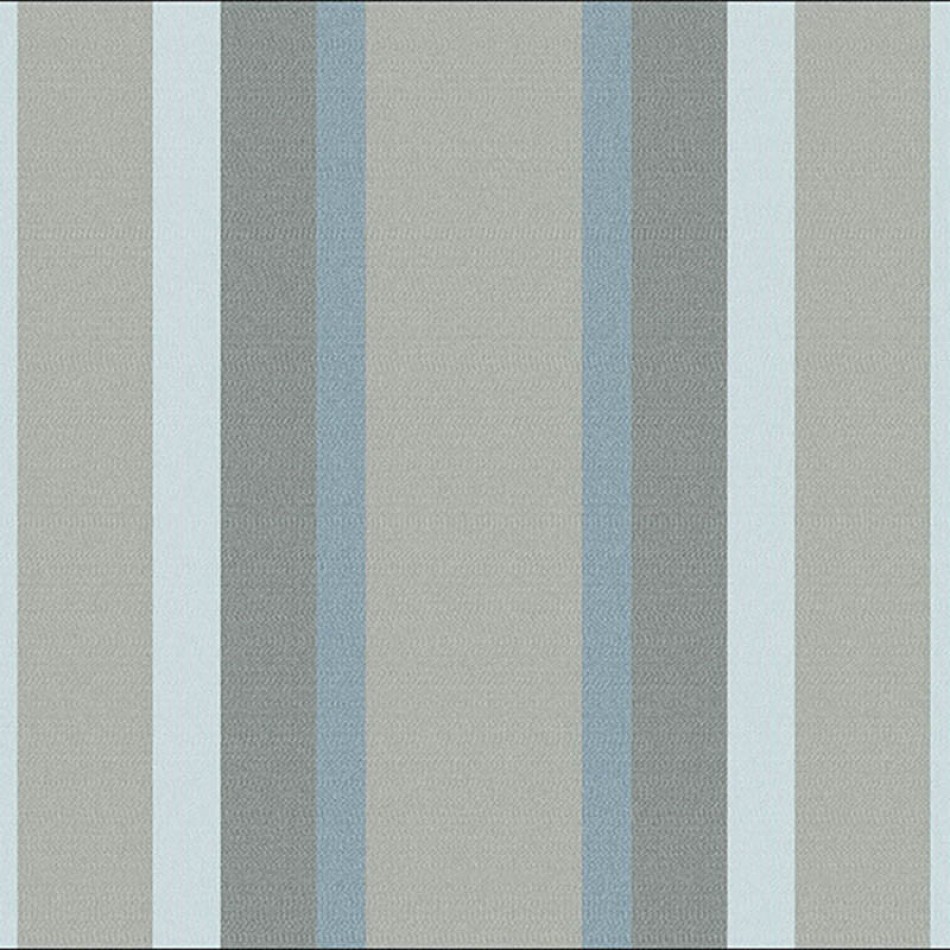
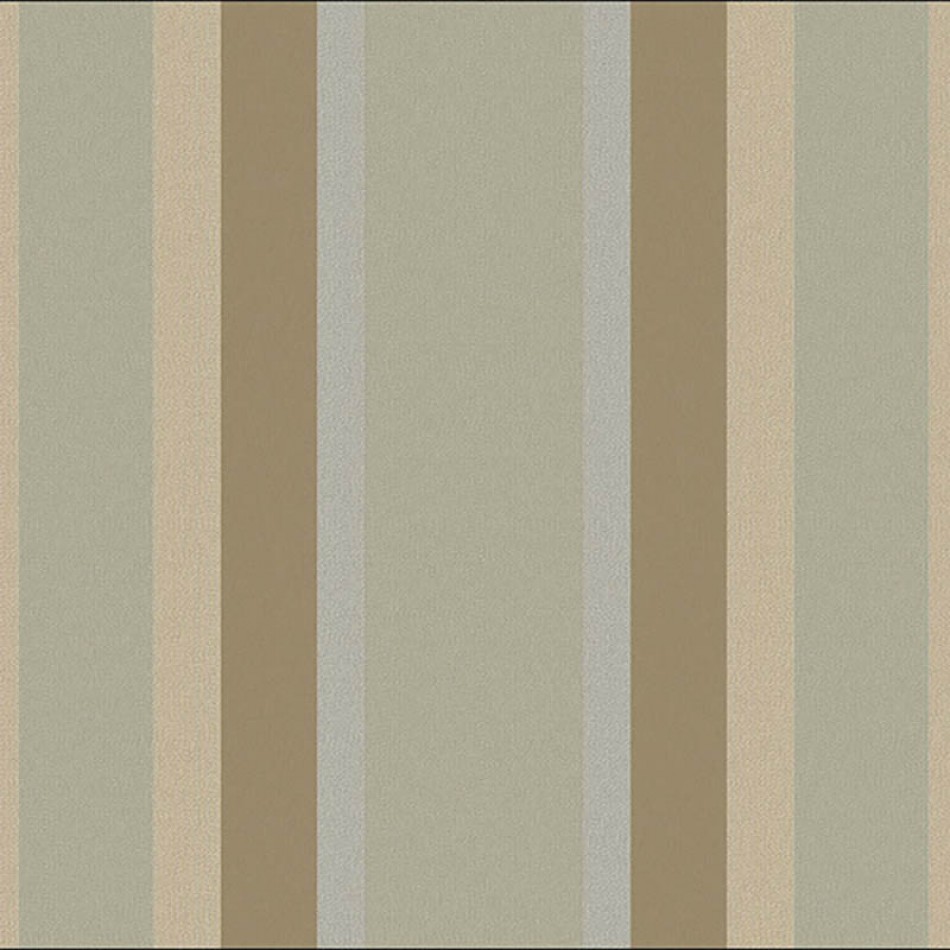
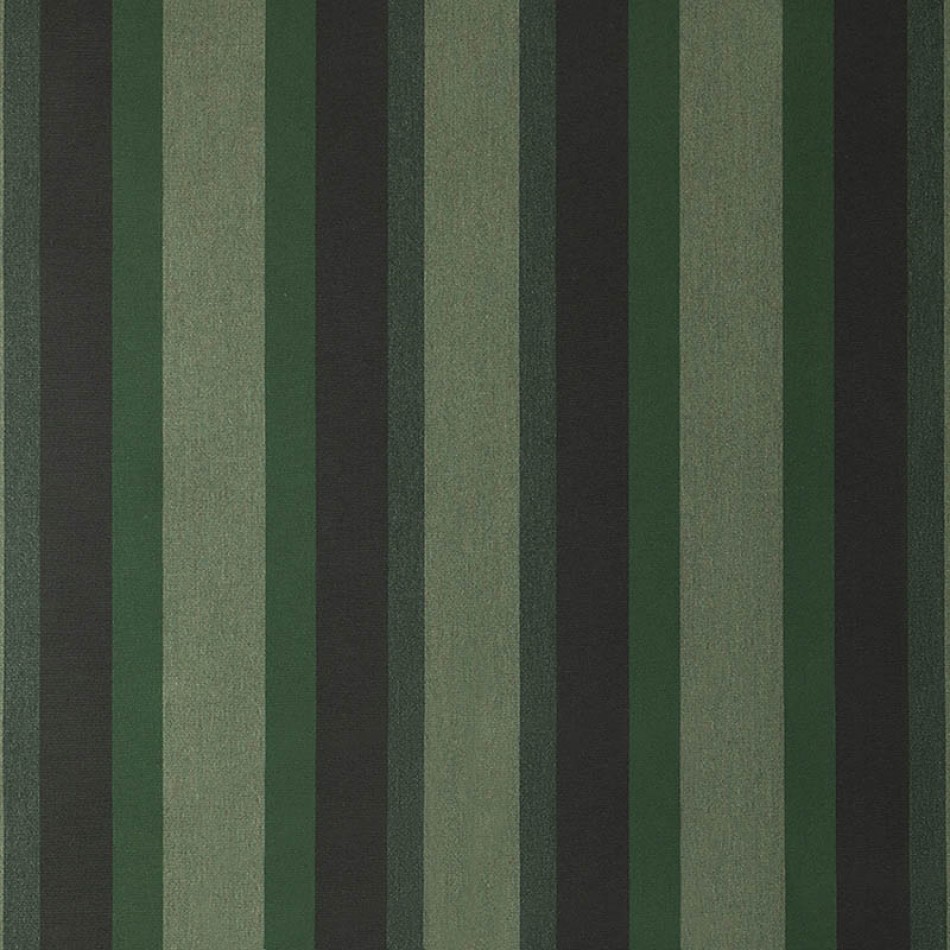
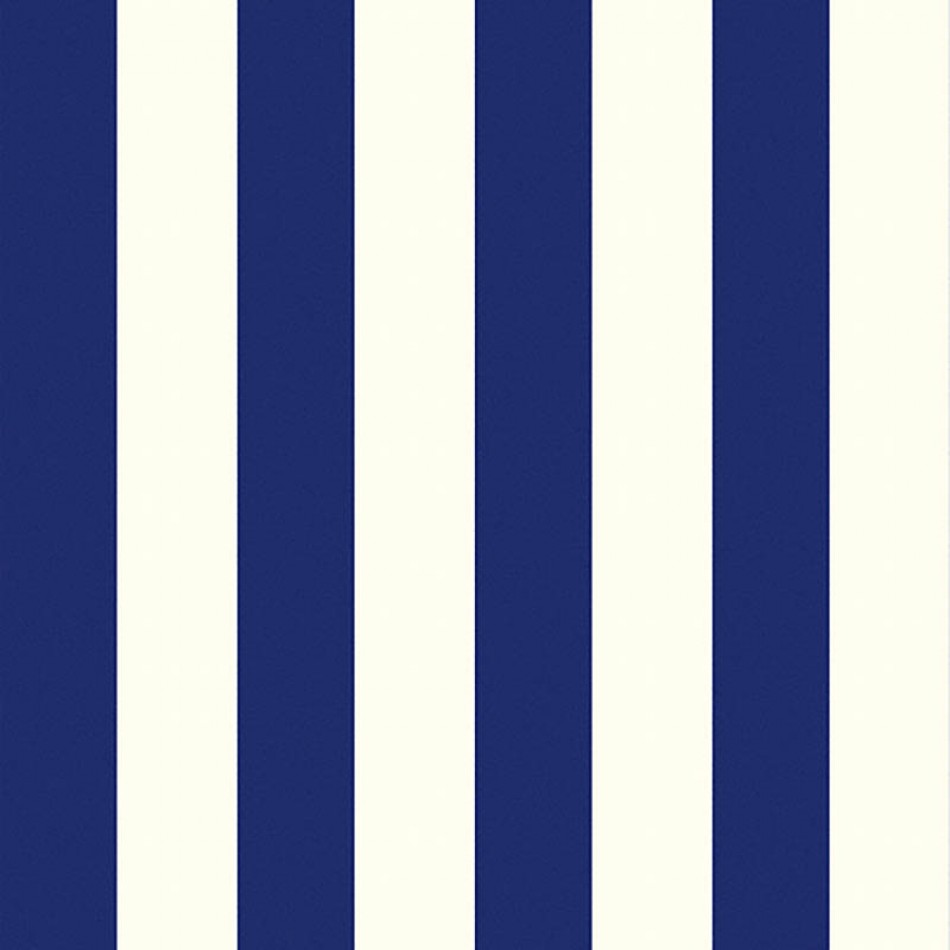
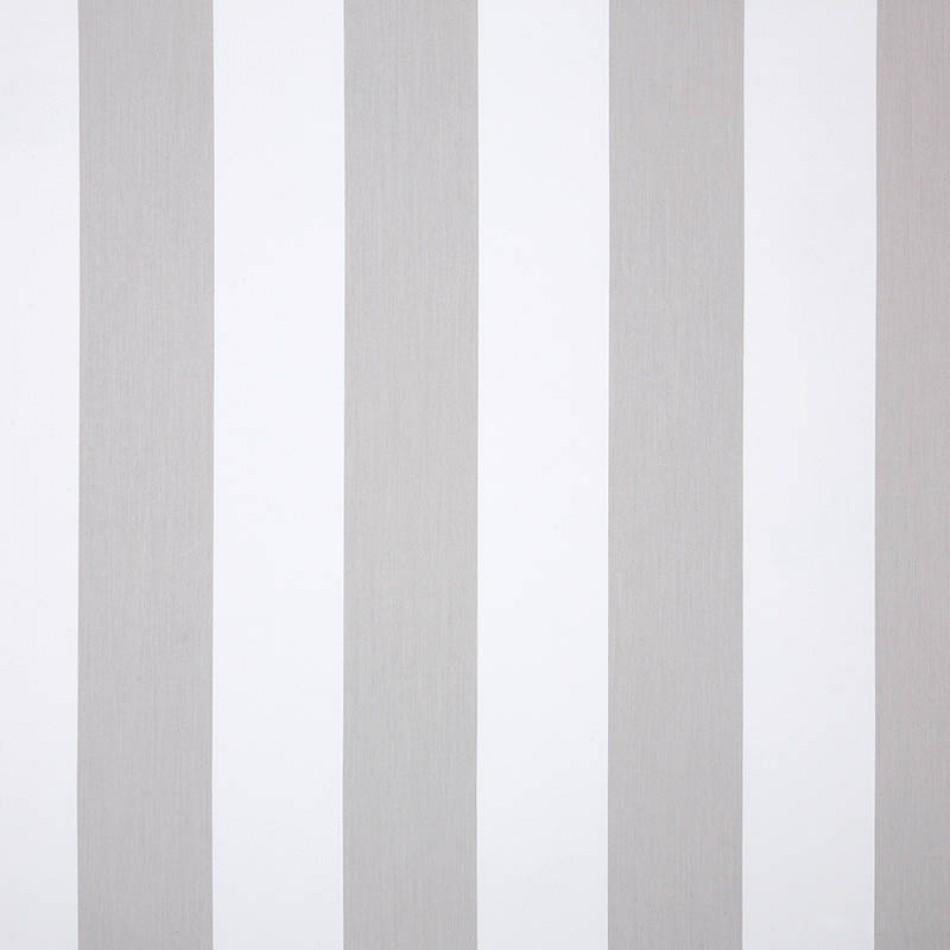
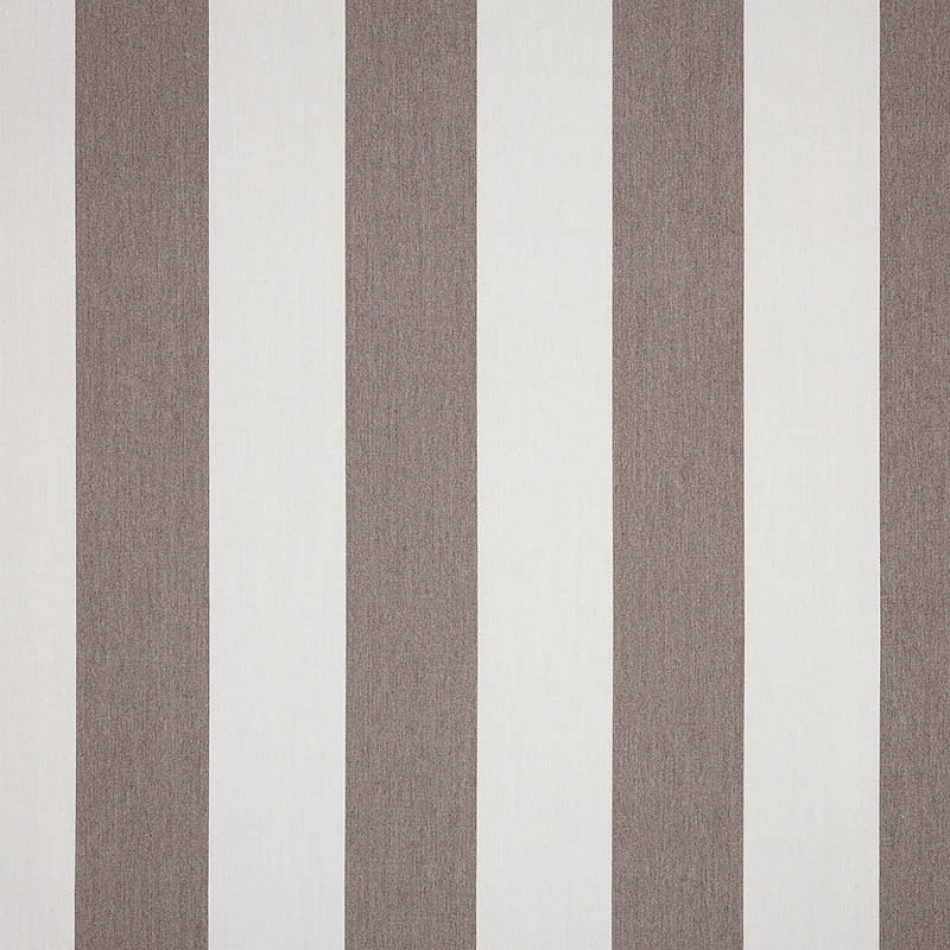


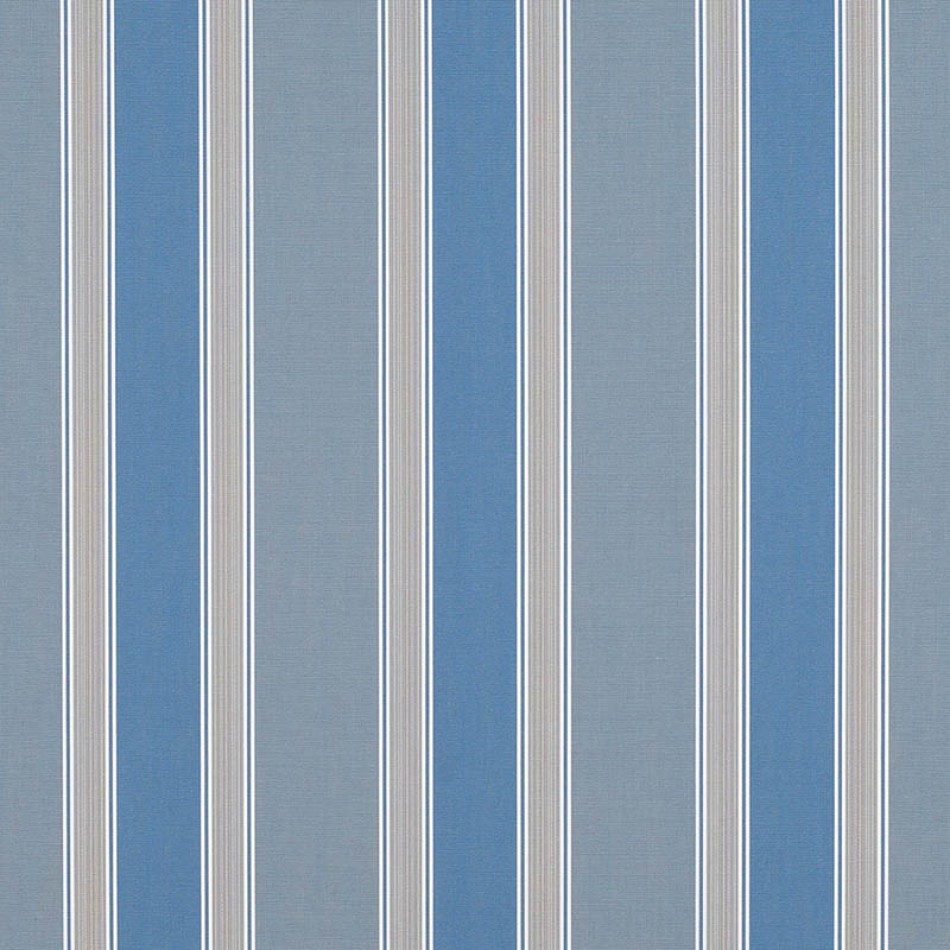
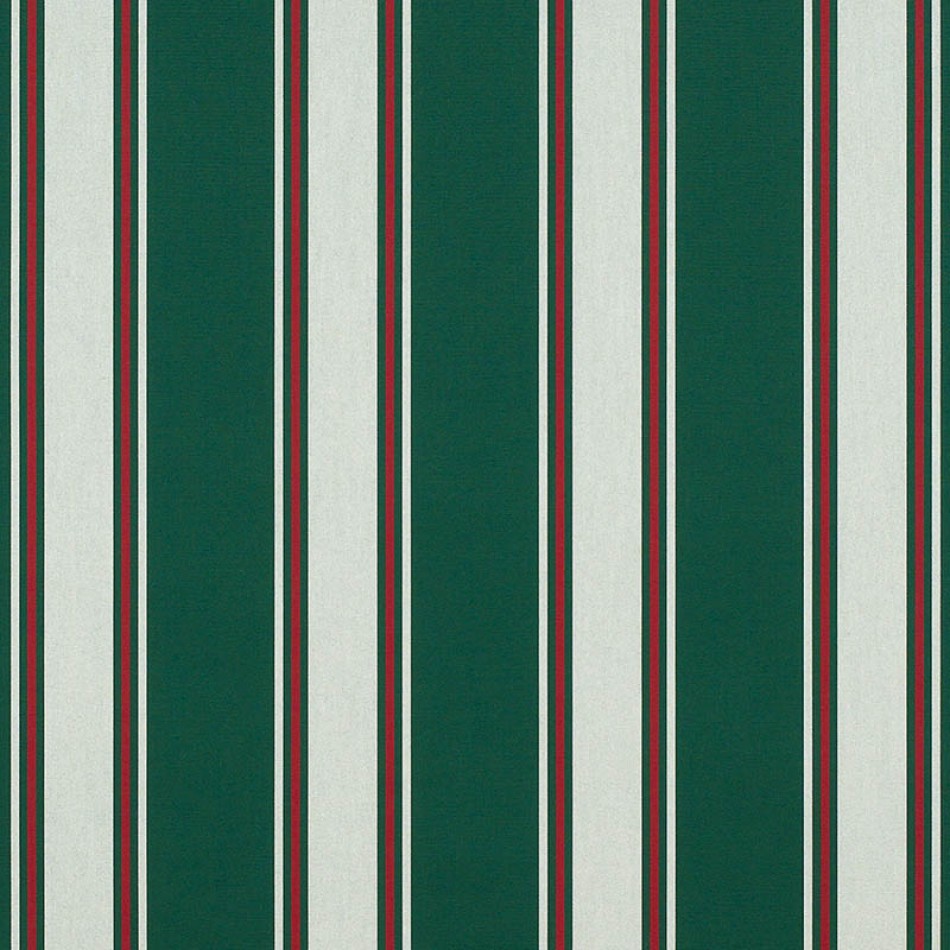
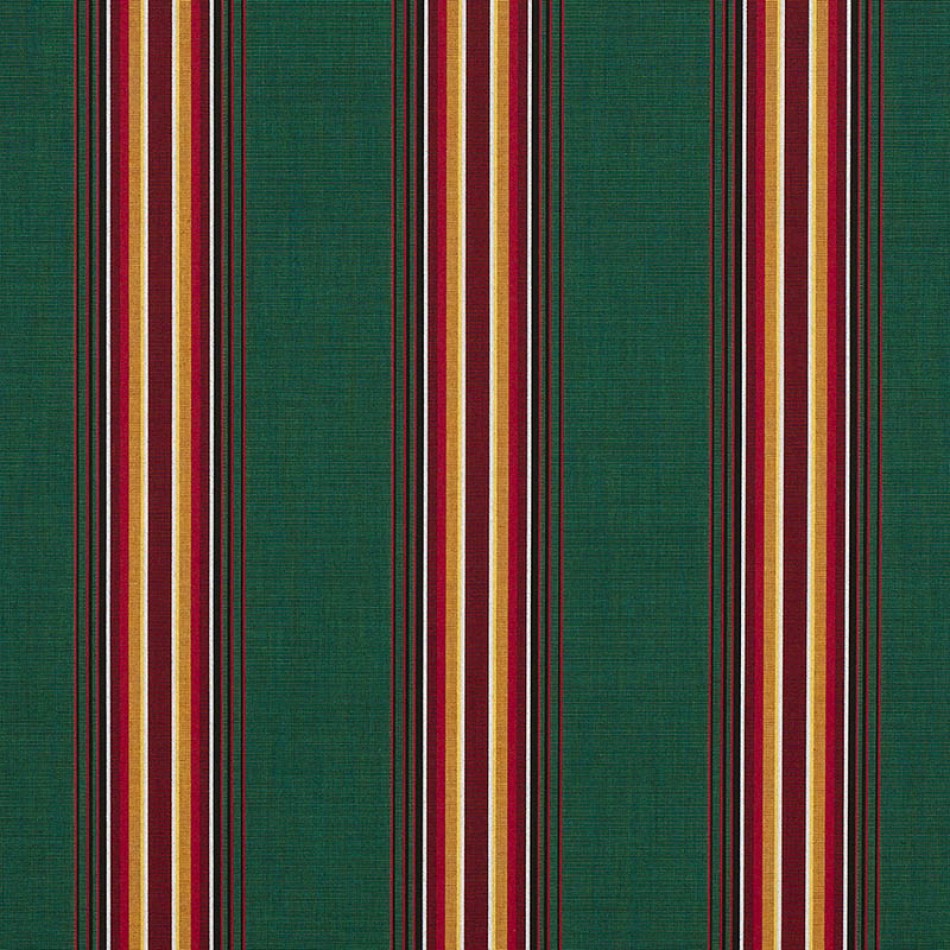


Understanding colour
Above all, colour is a question of perception
In reality, colours are produced by rays of light. Light rays are absorbed and/or reflected by the body they fall on. The degree of absorption and reflection gives a certain length of light wave. These waves are made up of different steps that correspond to each of the colours.
Colour is also a question of interpretation
People see colours differently depending on their culture and environment. Orange does not conjure up the same ideas in France, the Netherlands and the United States. In Europe, shades such as white and beige make spaces bigger and enhance brightness. Yellow, orange and red are warm colours, whereas blue and green are soothing and make areas seem cooler.
Harmonies of colour
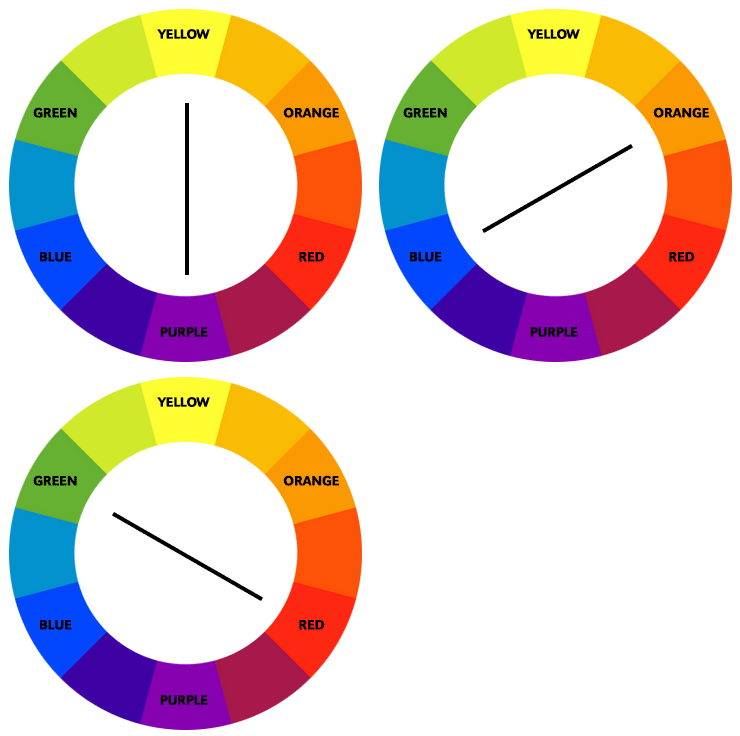
The choice of a colour is rarely left to chance. Conscious or subconscious choices are made according to various rules. To understand these rules it is necessary to remember that there are two types of colour: primary colours (Primary yellow, Magenta and Cyan), which, when mixed together, give secondary colours (Green, Orange and Violet). All of these colours are laid down in a chromatic circle. To create harmonies, complementary colours are used with the help of this circle. There are several combinations possible, as shown in the diagram above.